

I thought I’d make a post showing stereoviews from different stereo cameras /stereo rigs/ sequential stereo setups I’ve tried, with a very brief description of the subjective pros and cons of each to celebrate Stereoscopy Day! It also shows that you can use almost any camera and, as this Blog is all about making stereoscopy accessible, the ones here are mostly affordable.
I noticed that when you look online to try and find example photos from stereo cameras, you can usually find a lot of information about the specs of the cameras, sometimes videos about how to use them, but very few actual photos taken with them. Let’s sort this out now!
Please note that many of my cameras are second-hand, so the results really depend on how the camera has faired over the years. Sometimes the film I’ve used varies (occasionally it’s expired). Also note that I take a heck of a lot of pictures of cats (#sorrynotsorry) and I’m no Stan White. I take stereo photos for my own enjoyment, not technical perfection, so they are REALLY not technically perfect or well composed.
End of disclaimer.
I’ll update this post regularly with more cameras as I have time/can afford them.
DIGITAL STEREO / SINGLE-LENS CAMERAS
Android Smartphone and 3D Steroid Pro App (2020s)
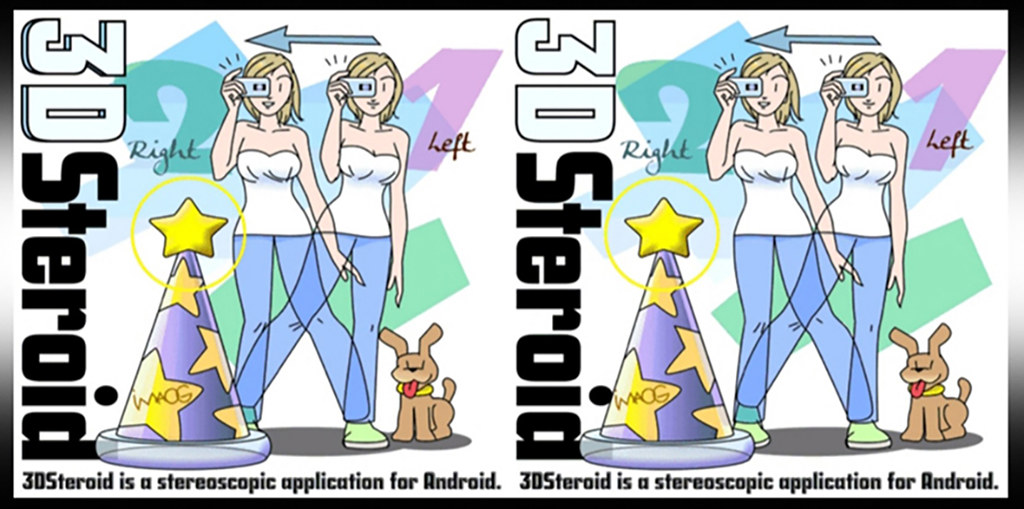

Pros:
- Convenient
- Quick
- Inexpensive app
- Lots of different export options
- Easy to use
- Great resulting stereos.
Cons:
- Sequential photos and squirmy cat/kid/crowd movement in the scene don’t work so well in 3-D
- Often prone to having ‘skew’ between images which can make the 3-D look weird.
FujiFilm Finepix Real 3D W3 Camera (2010s)
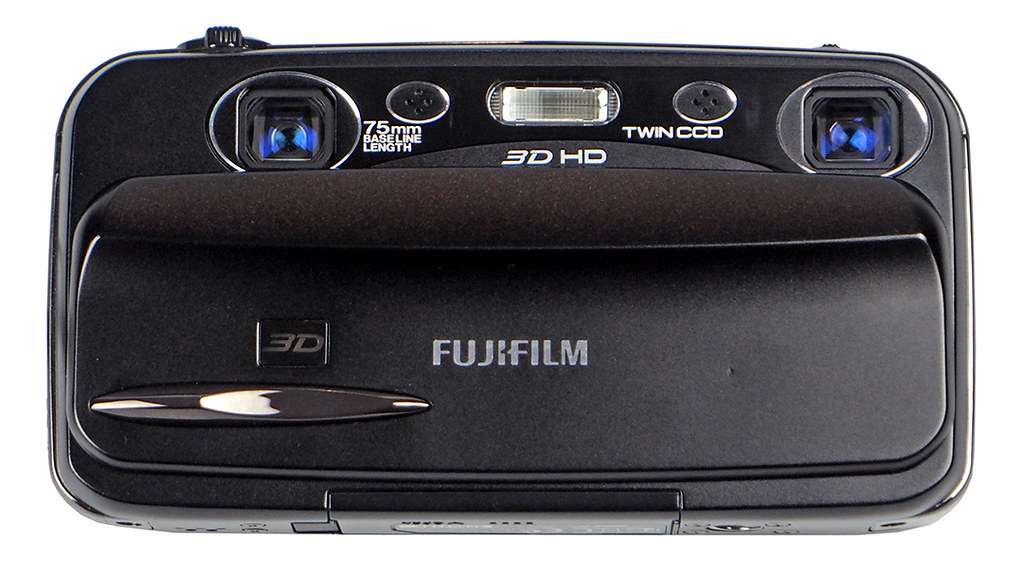

Pros:
- Convenient
- Compact
- Easy to use
- Lenticular screen so you can instantly see the images in 3-D without glasses
- Quite easy to find second hand and still quite a few new old stock ones around.
Cons:
- Lots of noise and blur in low light
- Lack of megapixels
- Discontinued and expensive second hand.
GoPro Dual HERO 3D System (2010s)
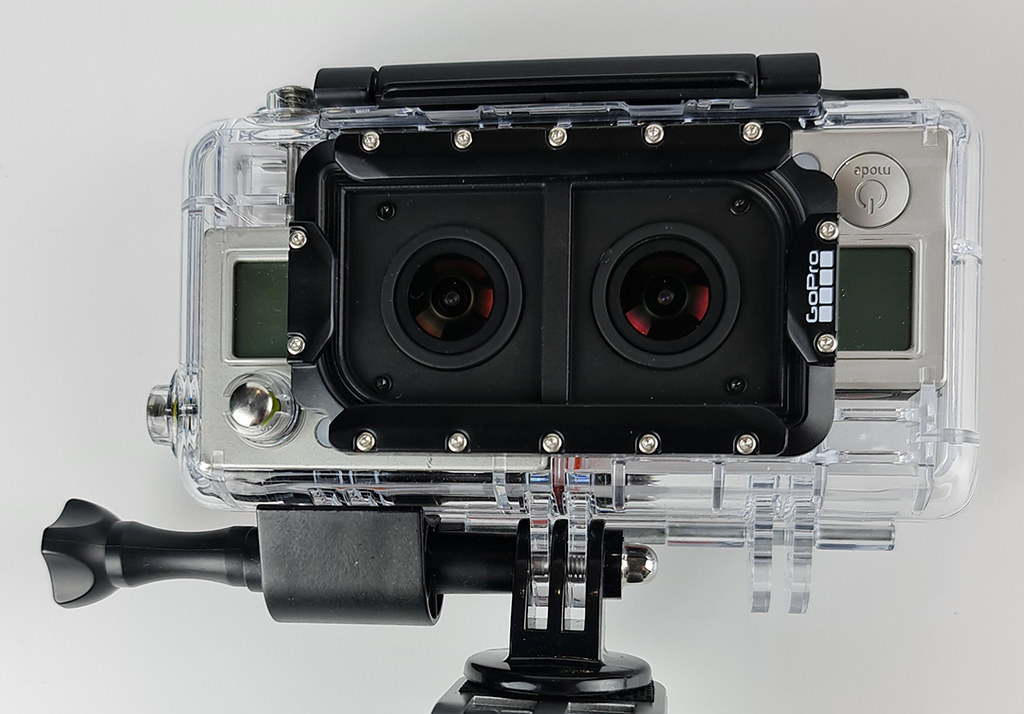

Pros:
- Can make underwater 3D photos as the unit is waterproof
- Relatively inexpensive to put together
- Great for close-ups
- Synchronisation is perfect and operated by one button for both cameras.
Cons:
- Fisheye lenses cause a lot of distortion
- Only a particular model of GoPro HERO camera can be used with the unit (all now discontinued)
- Supporting software discontinued
- Batteries drain quickly
- Can be difficult to source all the parts
iPhone and i3DSteroid App (2020s)


Pros:
- Convenient
- Quick
- Inexpensive app
- Lots of different export options
- Easy to use
- Great resulting stereos
Cons:
- Sequential photos and squirmy cat/kid/crowd movement in the scene don’t work so well in 3-D
- Often prone to having ‘skew’ between images which can make the 3-D look weird
Kandao QooCam EGO (2020s)
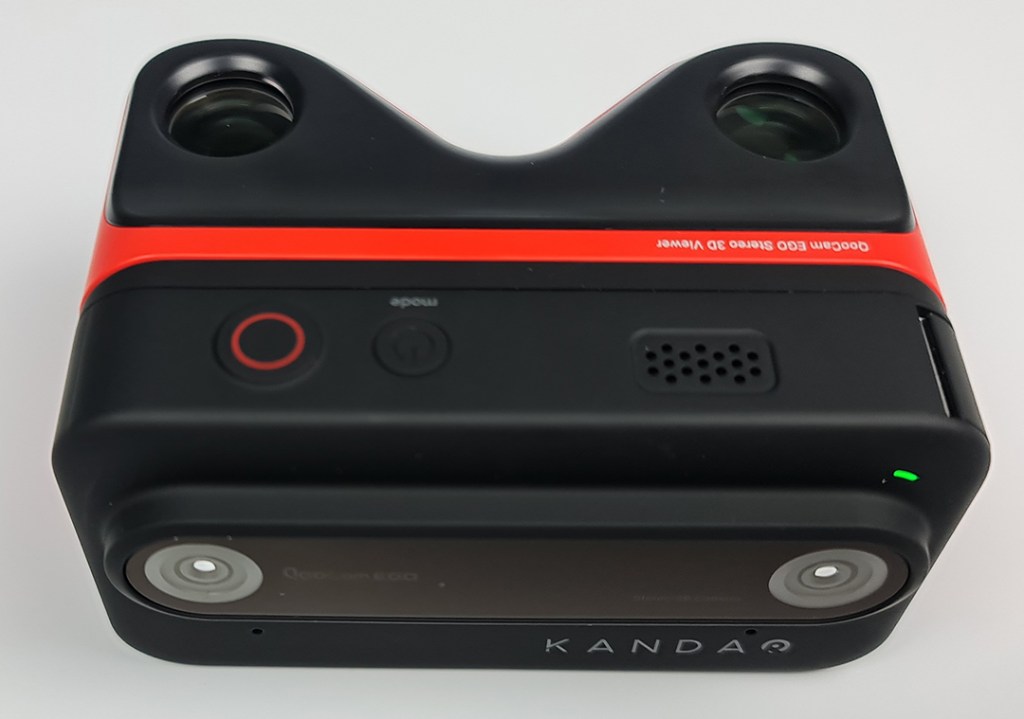
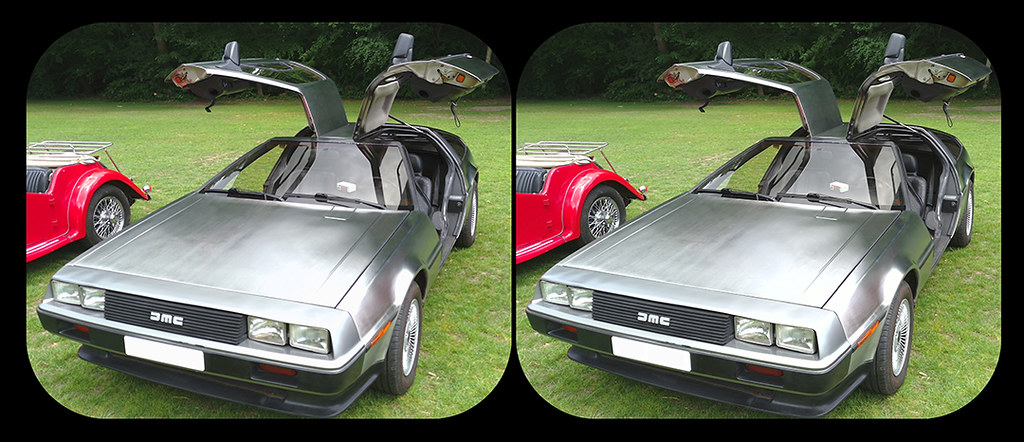
Pros:
- One of the only compact digital stereo 3D cameras being sold currently
- Easy to use
- Conveniently small and light but sturdy
- Can instantly see the images in 3D with the viewer
- Can connect easily to iPhones and Android with the app
- Readily available
- Better quality images than other discontinued compact 3-D cameras
Cons:
- Relatively expensive
- Prone to dust and fingerprints on the screen which are magnified in the viewer
- Battery drains quite quickly
- Often blows out the highlights in images
- Takes a while to startup
- The left lens on mine doesn’t always focus the same as the right (even after all the updates)
Macro Slider Bar, Single-Lens Digital Camera and StereoPhoto Maker Software (2020s)
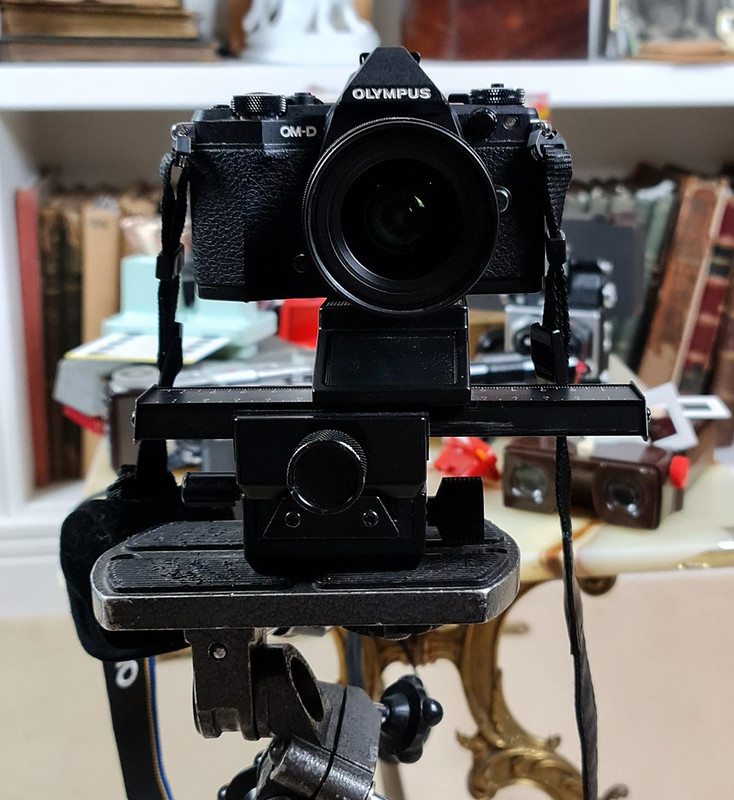

Pros:
- The stereo base can be adjusted to suit the distance from the subject or exaggerate the depth
- The tripod holds the camera steady
- You can use great cameras and lenses (or crappy ones, your choice!)
- Macro focusing slider bars are readily available and inexpensive
- StereoPhoto Maker software is free
Cons:
- Sequential photos and movement in the scene don’t work so well.
Nintendo 3DS (2010s)
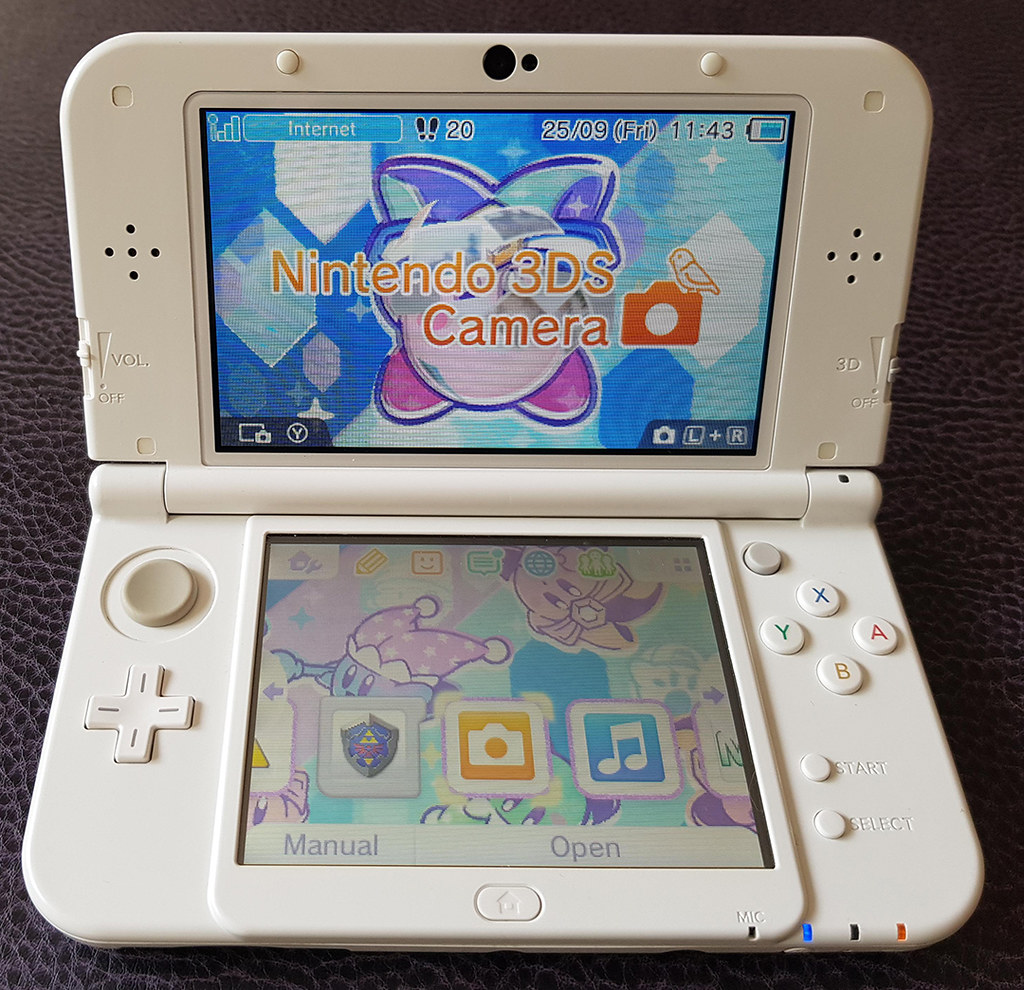

Pros:
- Easy to find second hand
- Easy to use
- Glasses-free 3-D lenticular screen with eye tracking which instantly displays 3-D photos
- 8/10 cats happy to have photo taken with this system
Cons:
- Low quality images
Panasonic Lumix DMC-3D1 (2010s)


Pros:
- Better quality images than FujiFilm W3, especially in lower light
- The lenses are closer together=better for closer portraits & cats
- Compact
- Easy to use
Cons:
- Really expensive second-hand and quite difficult to find
- This one is prone to switching to 2-D mode unnoticed
- No lenticular screen like the W3 so you can’t instantly see the 3-D images
Synchronised Twin Camera Rig: Canon (2020s)
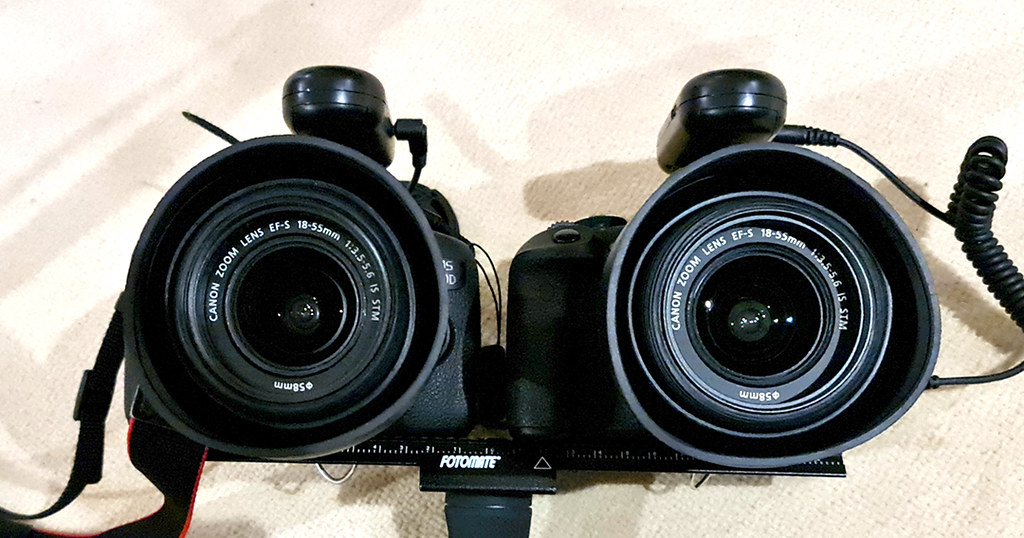

Pros:
- Amazing quality images!!
- Can alter the distance between the cameras depending on the bar they’re attached to, giving you distance options from the subject
Cons:
- It can be super expensive doubling up on cameras and lenses, as well as the synchronisation units
- Bulky and heavy – not exactly a hand/manbag camera
- Synch can often be slightly out between the cameras – sometimes caused by interference from other devices
ANALOGUE STEREO / SINGLE-LENS CAMERAS
Belplasca (1950s 35mm)
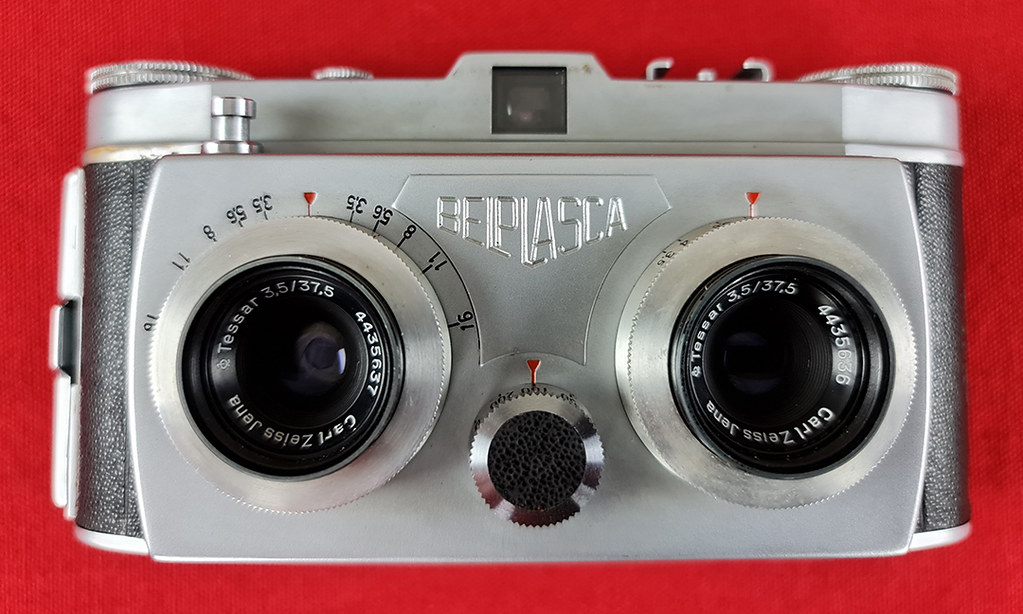
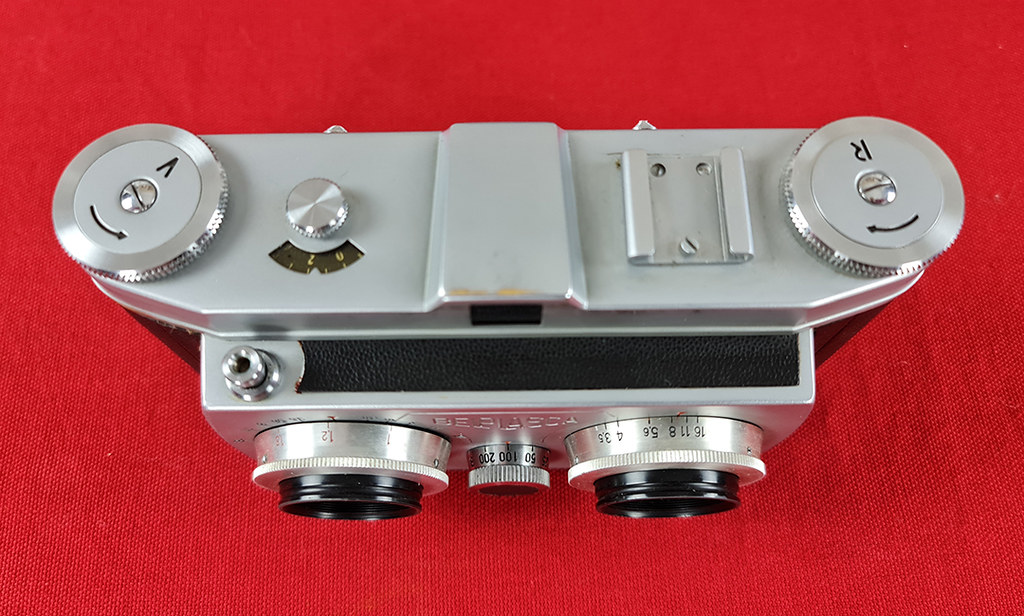
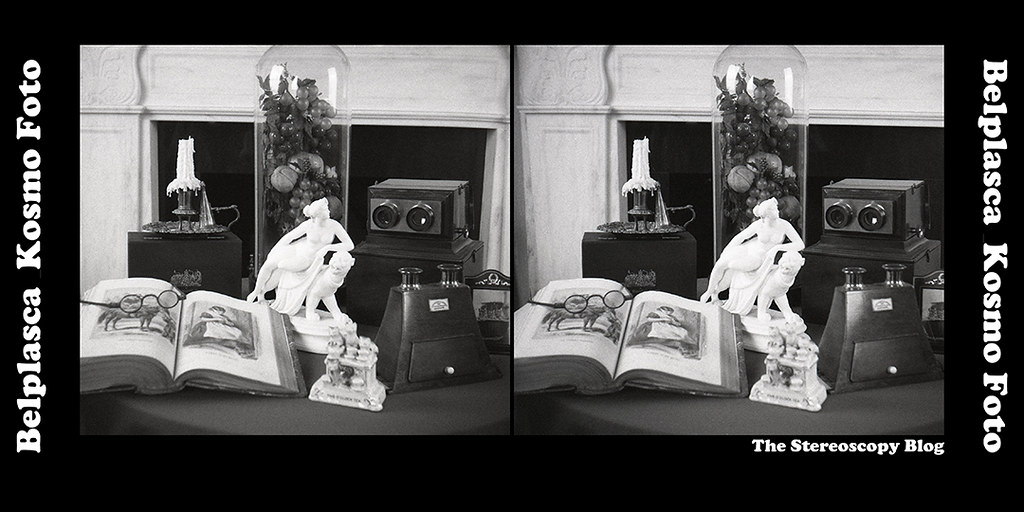
Pros:
- The slightly larger frame format (7 sprocket, 24 x 30mm) gives better quality images than the Stereo Realist for example
- Fantastic quality lenses
Cons:
- Expensive second hand
- Prone to focusing wheel being seized
- The frame format may not fit most smaller-frame stereo-viewers (many of the mounts are slightly too wide)
- No rangefinder
FED Stereo (1980s-1990s 35mm)

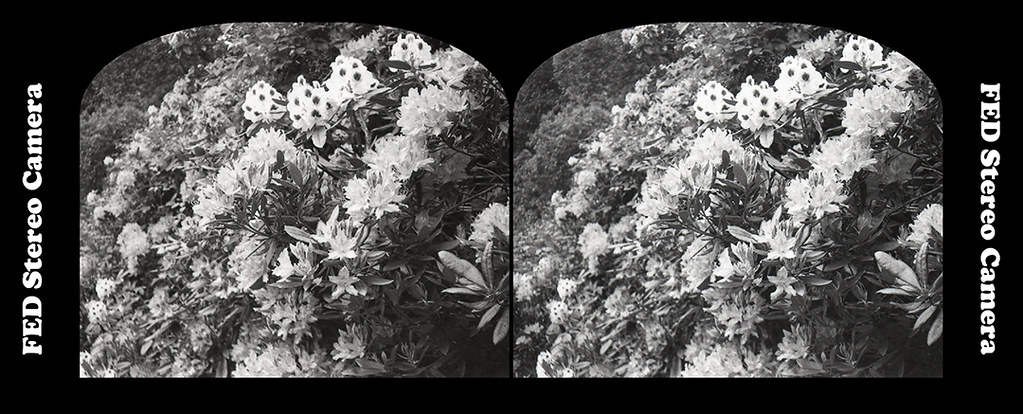
Frame format: 5 sprockets (24x23mm).
Pros:
- One of the few film stereo cameras with automatic settings, which seem to still work well
- Relatively inexpensive
- Easy to use
Cons:
- Questionable build quality
- Prone to light leaks
Iloca Stereograms (1950s 35mm)
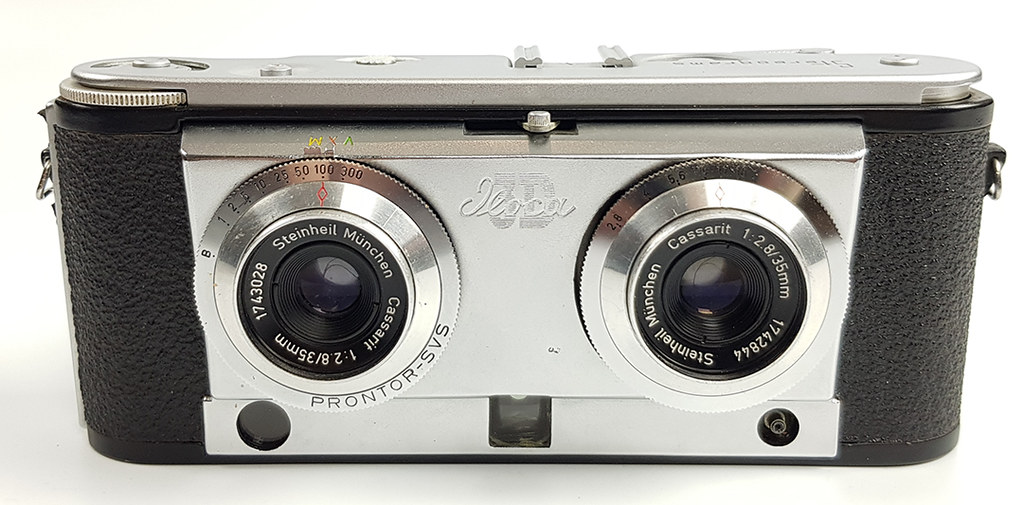

Frame format: 5 sprockets (24x23mm).
Pros:
- Great quality lenses
- Sturdy
- Easy to use
- Great for double exposures
- Combined view- and range-finder
- Easy to wind on
Cons:
- Prone to frame overlap
- Relatively expensive
ISO Duplex Super 120 (1950s 120)
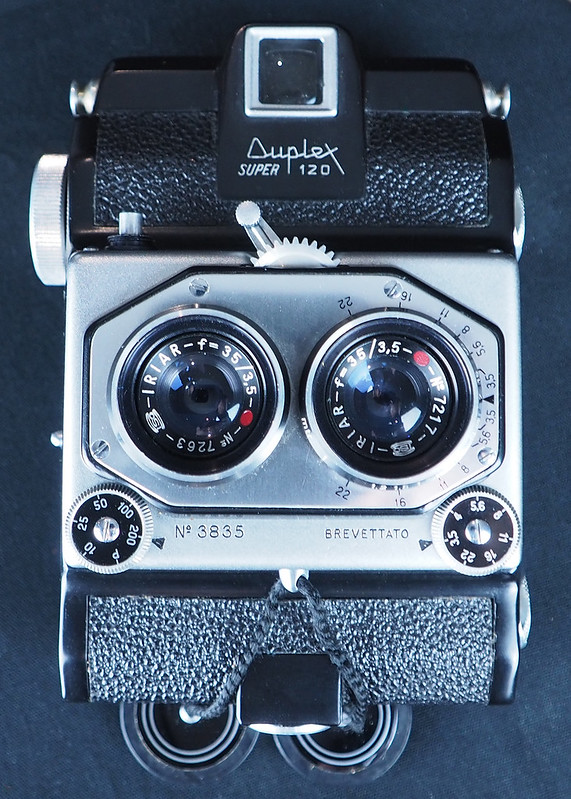

Frame fomat: 24x23mm (two stereo pairs per 120-film frame)
Pros:
- Super cute and adorable camera!
- Great quality lenses can produce great images
- Makes two pairs of stereo images per 120 frame
- The shutter firing sound is sweet
- Unusually winds upwards
- Lenses are 3cm apart and good for close portraits of cats
Cons:
- Relatively expensive
- Prone to shutter problems if not serviced
- Mounts for the frame-format are difficult to find
Kodak Stereo camera (1950s 35mm)
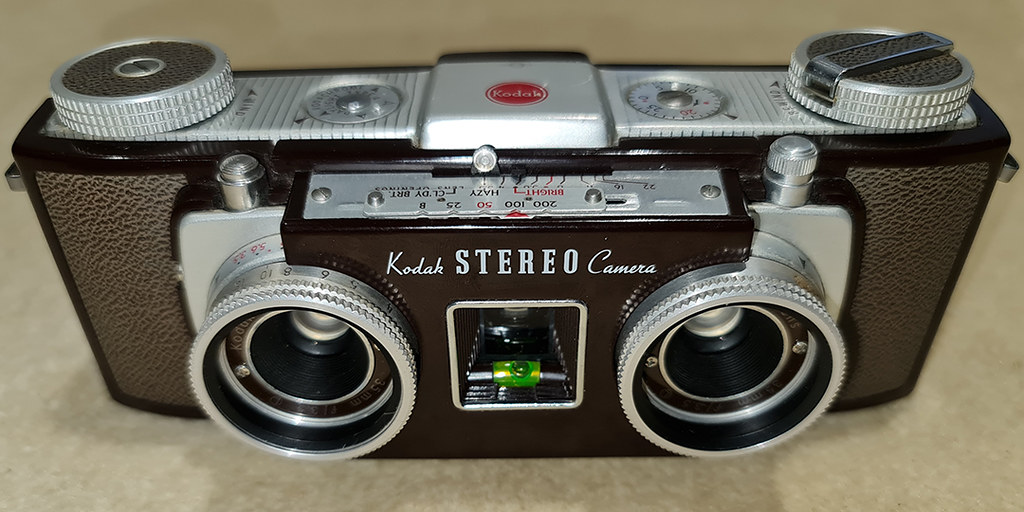

Frame format: 5 sprockets (24x23mm).
Pros:
- Has a spirit level, which you can see through the view-finder
- Easy to use
- Can easily make double-exposures
Cons:
- Mine has ‘sticky’ shutters (probably just needs a service), which are supposed to improve with use
- No range-finder
Loreo Photokit 3D Camera (2000s 35mm)


Frame format: Half a 35mm frame (split in two).
Pros:
- One of the only 35mm cameras in which the print direct from the negative is in parallel-view because of the mirrors used
- My camera has ‘Käpt’n Blaubär’ emblazoned on it, which is definitely a reason for purchase
- The cameras are inexpensive and quite easy to find
Cons:
- REALLY struggles to get enough light, even with 400ASA film on an overcast day – mostly need to use the flash
- Very prone to reflections because of the mirrors
- Probably best as an indoor camera with the flash on!
Nimslo 3D (1980s 35mm)


Frame format: 4 sprocket, 24x18mm.
Pros:
- Better quality lenses than the Nishika and more compact.
Cons:
- Prone to magnetic shutter/circuit failure
- Will not work without batteries (unlike the Nishika)
- Silly expensive
Nishika N8000 (1990s 35mm)


Frame format: 4 sprocket, 24x18mm.
Pros:
- You get 4 half-frames per shot so you can make Wigglegrams/lenticulars
- Quite easy to find second-hand
- All the cool kids are using them
- Doesn’t need batteries to operate.
Cons:
- Questionable build/lens quality
- Super expensive for a cheaply built camera
- Image quality not so great
- Too much fun
Random 35mm Camera Sequential Photos
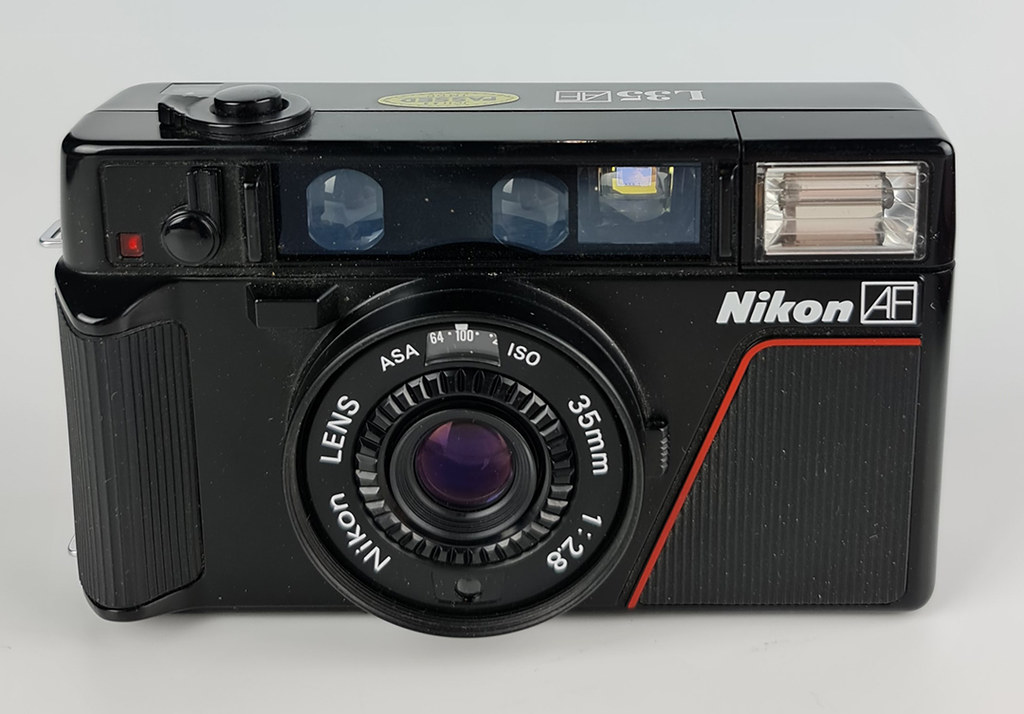

Pros:
- You can use almost any 35mm camera.
Cons:
- Might need to scan the negatives and turn them into digital stereos if the format is too big to view
- Prone to skewing between the shots (but you can use a tripod!)
Sputnik (1950s 120)
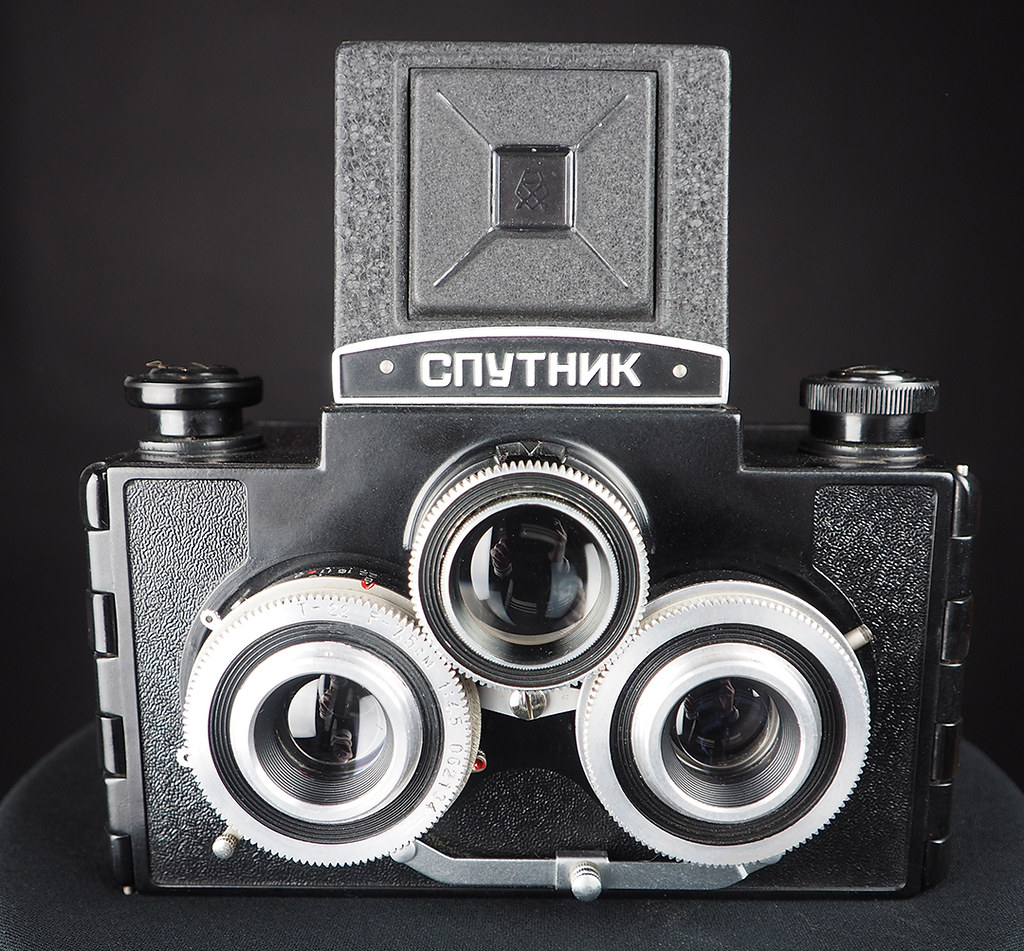


Frame format: Full 120-frame.
Pros:
- When a Sputnik works, the quality of the lenses is beautiful
- Full-frame format per stereo half produces quality images
- You can save money on expensive gym equipment by growing your muscles from winding the film on!
Cons:
- The build quality is not always the best
- Prone to light leaks and internal reflections from the silver backplates
- Lenses prone to being a different focus to each other
- Bakelite can crack easily
Stereoly Beam Splitter System (Leica) 1930s
I have to say a huge thank you to Paul Maclean for providing me with the information and photos of his 1930s Leica beam splitter system ‘Stereoly’. It’s the Rolls-Royce of beam splitter attachments, way out of my league, and he says it works really well:
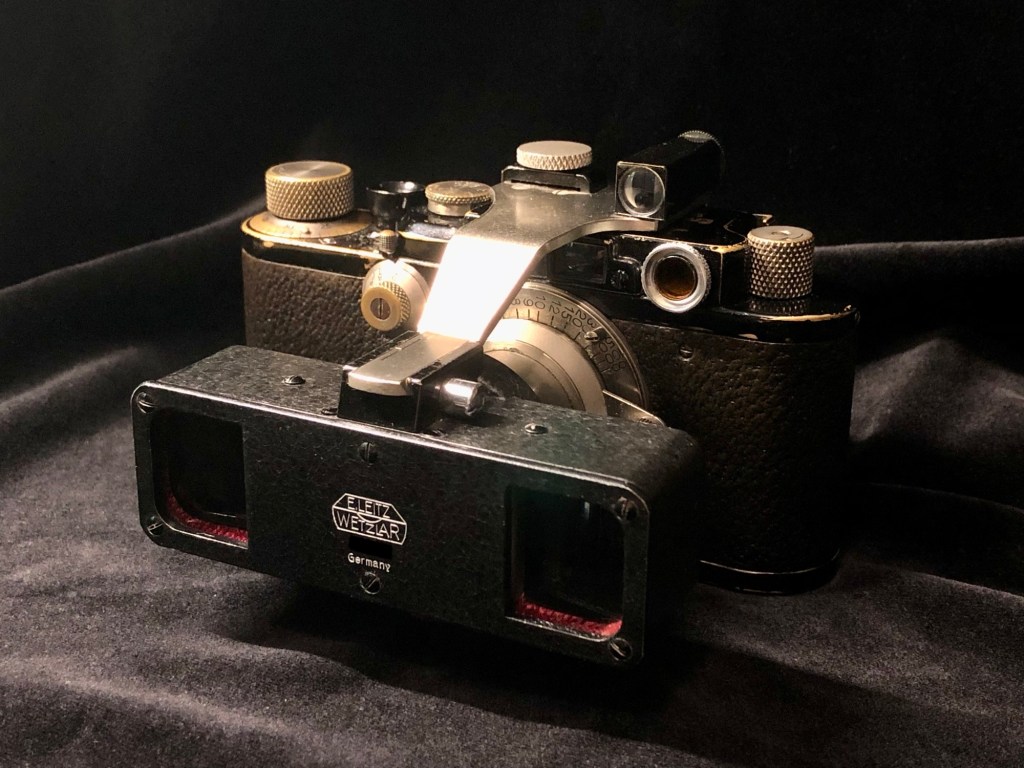
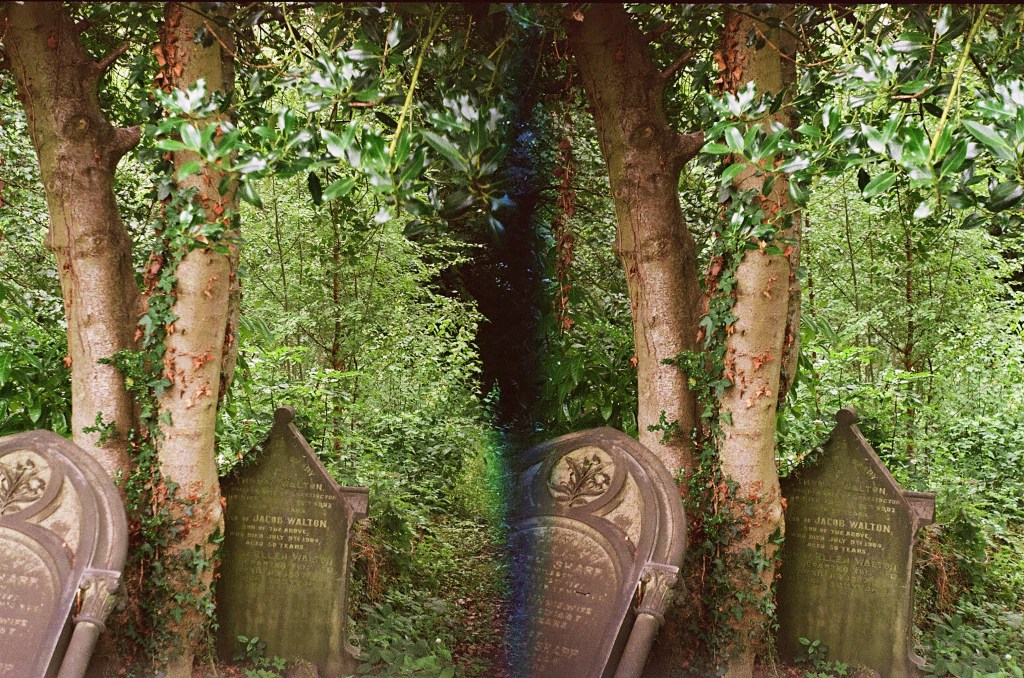
Unedited 35mm frame from Leica III with Stereoloy (VORSA) attachment. Image credit: Paul Maclean.

Cropped and aligned 35mm frame from Leica III with Stereoloy (VORSA) attachment. Image credit: Paul Maclean.
Frame format: Half a 35mm frame (split in two)
Pros:
- The early Leica III series are a very compact cameras ( c. 7 cm x 14 cm x 6 cm) but being made of metal, still have some heft (pro or con).
- Purely mechanical. No batteries required. Almost like a clockwork experience.
- The Leica “Stereoly” (stereoscopic) syste principally uses a Leica Elmar 5cm f/3.5 lens, often referred to as “the lens that made Leica” a wonderful collapsible lens that still produces great results almost a century on. Later versions had adaptations to include other Leica lenses.
- Working with a piece of history. Oscar Barnack of Leitz Wetzlar invented the first 35mm camera (which is why these old style Leica are also known as ‘Barnack cameras”) and the design became the first commercially successful 35mm camera when released in 1925. The one in the supplied photo is from 1929 (Leica I) with 1933 upgrades (to Leica III).
- The results provide a certain “vintage look” due to the optics involved. The quality I think is remarkable for a system heading towards a hundred years old and still usable today.
- Physical and authentic. Being analogue you can refer back to the original image if necessary. It produced a physical “thing” at the end of it. Tactile.
Cons:
- It uses 35mm film. The results are not instant.
- Film has become more expensive in the past few years (especially colour and slide film).
- As the “Stereoly” system uses a beam splitter, the images are half-width 35mm frames, so will always produce portrait pictures at half the available optical detail of a full 35mm frame. (24 x 18mm exposures)
- To view the images, you need to have them processed as “positives” (e.g. slide film for use with a Leica VOTRA viewer) or have them scanned or printed for use with a stereoscope.
- Essentially there’s a lot more effort involved.
- Cost of the whole setup.
Stereo Realist (1950s 35mm)


Frame format: 5 sprockets 24x23mm.
Pros:
- Realists are quite easy to find and relatively inexpensive
- Can produce great photos
- Sturdy (i.e. brick)
Cons:
- The camera tends to need a good service
- The view finder and range finder are separate at the bottom of the camera, trying to check both of these windows, then cocking the shutter takes a bit of getting used to – not great for quick snaps
- The camera is heavy man (not great for handbags, unless it’s for self-defence)
TDC Stereo Vivid Camera (1950s 35mm)

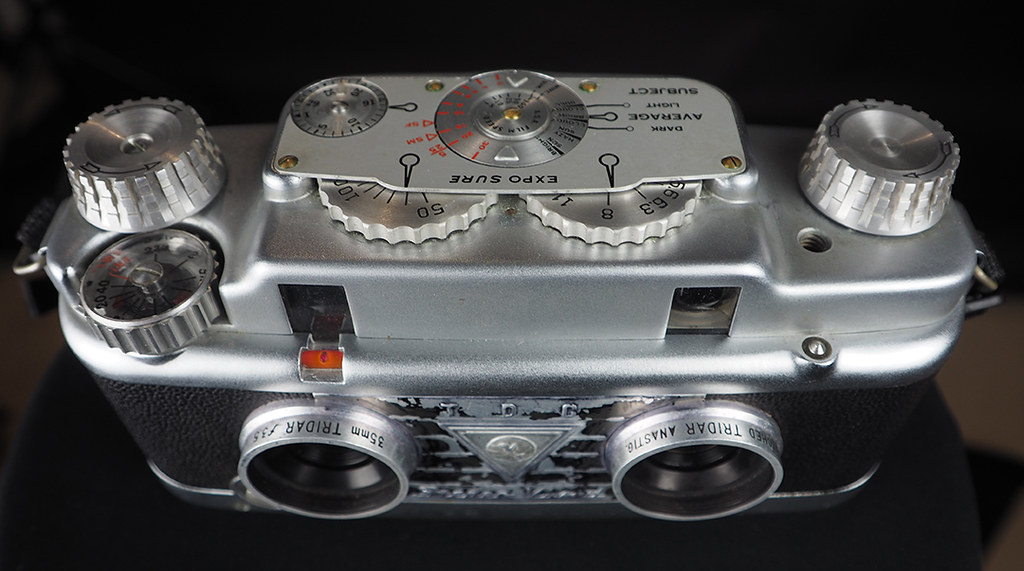

Frame format: 5 sprockets 24x23mm.
Pros:
- Gives automatic recommended exposure settings on the top of the camera up to 100ASA
- Has a spirit level which you can see in the combined view- and range-finder
- Makes a really satisfying mechanical noise when the shutters prime as you wind it on
Cons:
- Tends to give film drag from its rollers
- Can’t take a double exposure without potentially opening the back
- It benefits from bright conditions (i.e. not dull little England)
- Mine has frame overlapping and flaky front paint (but I still love using it)
#StereoscopyDay

Copyright © The Stereoscopy Blog. All rights reserved.
 The Stereoscopy Blog
Excellent thorough and thoroughly entertaining!
LikeLike
Dear sir. I would like to know details about a Alithoscope stereo camera by L. Soux? from Paris. Can’t find any information. The camera is from about 1900-1910. Thanks very much from The Netherlands.
LikeLike
Good morning Frans. I’m afraid I don’t have one of the cameras in my collection, so I can’t offer much extra information than what is available online.
The camera is actually an ‘Aléthoscope’ by ‘L. Joux’ of Paris. You can find one in a collection in Spain here: https://foticoscollection.com/en/item/camara-estereo-l-joux-alethoscope/10674
And an advert here: http://collection-appareils.fr/x/html/camera-13541-Joux_Alethoscope.html
CameraWiki has information about the company: http://camera-wiki.org/wiki/Joux and the camera: http://camera-wiki.org/wiki/Aléthoscope
They often come up for sale in auctions and eBay.
I hope that helps. Take care, Rebecca 🙂
LikeLike